
Brand Bucket Softtech

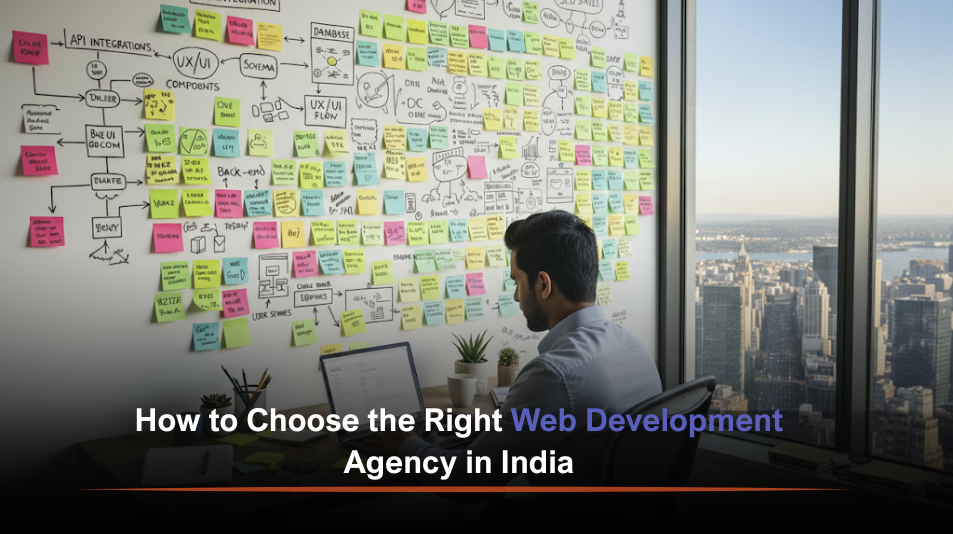
How to Choose the Right Web Development Agency in India

05th Jan 2026 AmitPandey Writer & Blogger Share on : Introduction In 2025, user expectations are higher than ever. Visitors won’t tolerate slow pages, broken layouts, or confusing design. With thousands of businesses competing online, your website must load fast, look professional, and speak directly to your target audience’s needs. At Brand Bucket Softtech, a trusted website development company in Mumbai, we specialise in building SEO-friendly, high-performance websites that convert. Our design approach avoids these common pitfalls and keeps both users and search engines happy. 1. Clearly Define Your Website Goals Before contacting any agency, it’s important to have clarity on your requirements. Are you building an informational website? An eCommerce store? A booking platform or a web application? The better you understand your needs, the easier it is to evaluate potential partners. Ask yourself: What is the primary goal of my website? (Leads, sales, brand awareness, etc.) What features will I need? (Search, blog, forms, payment gateway, etc.) Who is my audience, and what do they expect online? 2. Explore Their Portfolio in Detail An agency’s portfolio is the most reliable way to evaluate their capabilities. Look beyond just pretty designs—check whether the websites they’ve built are functional, modern, and aligned with user experience best practices. While reviewing their work: Examine websites they’ve built in your industry (if any) Click through their live projects to test speed, navigation, and mobile responsiveness Look for variety: Can they build both simple and complex platforms? 3. Evaluate Their Technical Capabilities The web development world involves more than just coding. Depending on your goals, you might require expertise in: Here’s what good navigation includes: Content management systems (WordPress, Drupal) Custom frameworks (Laravel, Django) Front-end tech (React, Vue.js) Backend development (Node.js, PHP) eCommerce platforms (Shopify, WooCommerce) A capable agency should be able to suggest the best technologies for your specific needs. Make sure they follow modern coding practices, prioritize clean architecture, and build websites that are scalable and secure. 4. Read Reviews and Client Testimonials What do their past clients say? Positive testimonials are good, but third-party review platforms like Clutch, GoodFirms, or Google Reviews often give more honest insights. Look out for recurring themes in client feedback, like: Timely delivery Responsiveness and communication Quality of work Ongoing support 5. Assess Their Communication Style Web development projects often run over several weeks or months, so you’ll want to work with a team that communicates well. During the initial stages, pay attention to how they respond to your queries:   Do they take the time to understand your goals? Are they transparent about timelines, process, and costs? Do they provide valuable suggestions or just say “yes” to everything? Clear, honest communication is often what separates a good partnership from a stressful one.
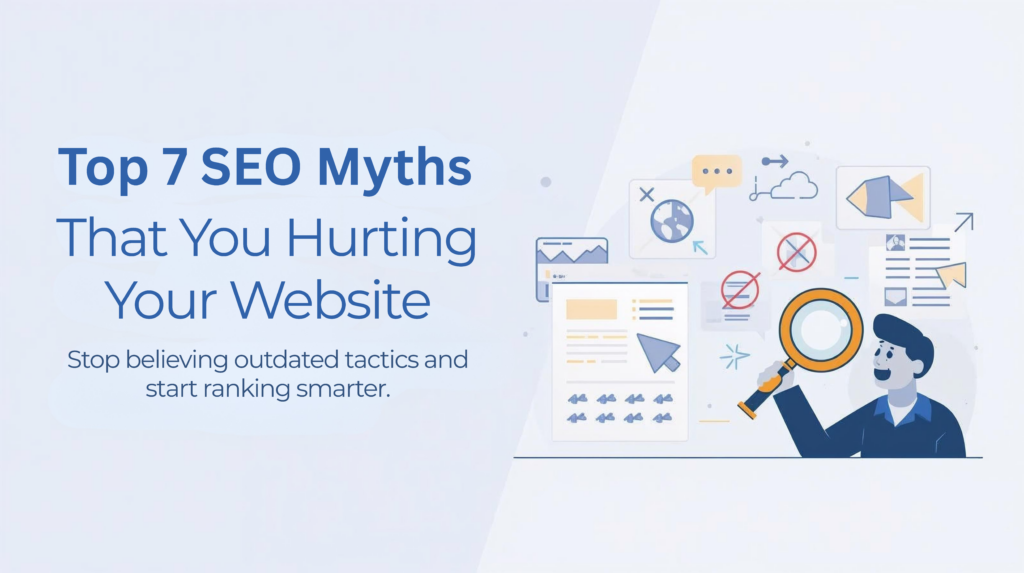
Top 7 SEO Myths That Are Hurting Your Website

05th Jan 2026 Shital Pawar Writer & Blogger Share on : Introduction Search engine optimization (SEO) has changed a lot over the years, yet outdated advice and common myths continue to mislead website owners and marketers. These myths can slow your growth, hurt your rankings, and waste your digital marketing budget. At Brand Bucket Softtech, a leading SEO company in Mumbai, we often work with businesses that unknowingly follow harmful SEO practices. In this blog, we’re busting the most common myths that might be silently damaging your website’s visibility. 1. SEO Is a One-Time Setup Many believe that SEO is something you “set up” once when launching a website, and then forget about. But SEO isn’t a checklist—it’s an ongoing process. Google’s algorithm updates constantly, and your competitors are actively optimising their websites. Search rankings are influenced by content freshness, page speed, backlinks, mobile performance, user engagement, and more. Without continuous updates and maintenance, even a well-ranked page can fall in the results. To maintain and improve your visibility, you need regular audits, content updates, backlink evaluations, and technical optimisation. This is why the best SEO agency in Mumbai focuses on long-term strategies, not quick fixes. 2. You Should Only Target High-Volume Keywords Focusing solely on keywords with the highest search volume may seem logical, but it often leads to disappointing results. High-volume keywords are typically highly competitive and may not always align with your actual business goals. Instead of only chasing big numbers, smart SEO focuses on user intent. Long-tail keywords like “affordable SEO company in Mumbai for startups” may have lower volume but drive qualified traffic that’s more likely to convert. An effective keyword strategy includes a balance of: High-volume terms for visibility Long-tail queries for conversions Localized keywords to reach nearby customers Ranking for dozens of low-competition, intent-rich keywords can outperform targeting a single high-volume term that brings unqualified traffic. 3. Web Page Design Doesn’t Impact SEO A well-designed website is more than just a visual asset—it’s a functional component of your SEO strategy. If users can’t easily navigate your website, find information, or engage with your content, your search rankings will suffer. Design elements that affect SEO include: Site architecture and internal linking Mobile-friendliness Page load speed Readability and visual hierarchy User experience is one of the key signals search engines analyze. A poorly structured or slow-loading website leads to high bounce rates, low engagement, and ultimately, reduced visibility. If your design frustrates users, it’s hurting your SEO too. 4. Link Building Is Dead There’s a widespread belief that link building no longer matters—but search engines still view backlinks as a major trust signal. What’s changed is the emphasis on quality over quantity. Modern link building focuses on earning backlinks from reputable sources through content, outreach, digital PR, and guest posting. Low-quality links from spammy sites or purchased backlinks can actually do more harm than good. Relevant to your niche From high-authority domains Naturally earned through valuable content Sustainable SEO success depends on building a strong backlink profile that boosts domain authority and helps search engines trust your site over others.

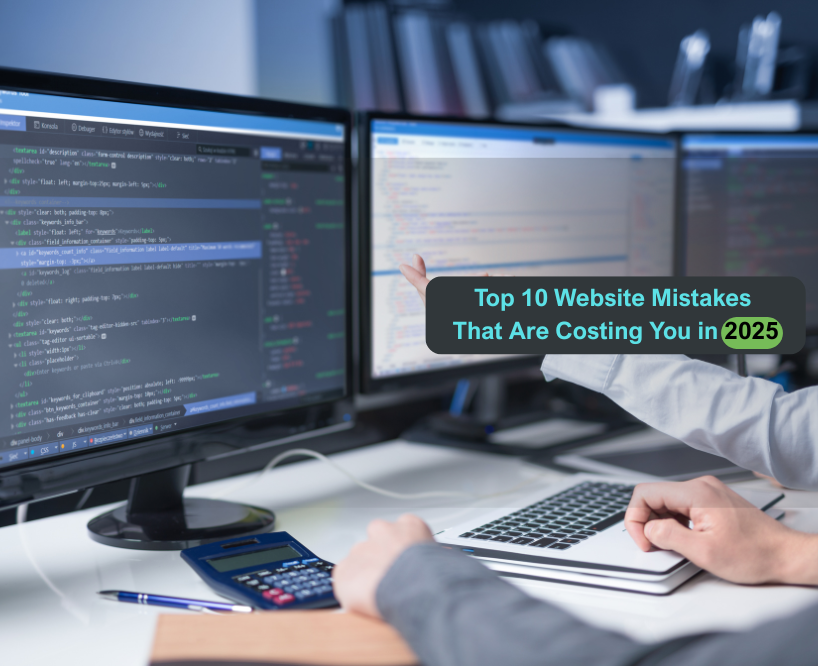
Top 10 Website Mistakes That Are Costing You in 2025

05th Jan 2026 Shital Pawar Writer & Blogger Share on : Introduction Our website should be your hardest-working employee—selling, informing, and building trust 24/7. But if it’s making even a few of these mistakes, you could be losing valuable traffic, leads, and revenue without realising it. In 2025, user expectations are higher than ever. Visitors won’t tolerate slow pages, broken layouts, or confusing design. With thousands of businesses competing online, your website must load fast, look professional, and speak directly to your target audience’s needs. At Brand Bucket Softtech, a trusted website development company in Mumbai, we specialise in building SEO-friendly, high-performance websites that convert. Our design approach avoids these common pitfalls and keeps both users and search engines happy. 1. Slow Loading Speed Is Killing Your Conversions Did you know that a delay of just one second in website load time can reduce conversions by 7%? In 2025, users expect lightning-fast websites. If your site is slow, they won’t wait—they’ll leave. Common causes include large, uncompressed images, outdated hosting, and too many third-party scripts. You can combat this by: Optimising your images Using lazy loading CTAs Minimising CSS/JavaScript Choosing better hosting solutions 2. Your Website Isn’t Mobile-Friendly In 2025, more than half of all website traffic will come from mobile devices. If your website doesn’t display or function properly on smartphones and tablets, you’re likely missing out on a large portion of potential customers. Visitors may struggle with zooming in, clicking small buttons, or reading tiny text, leading to frustration and high bounce rates. A mobile-friendly website automatically adapts to any screen size—whether it’s a phone, tablet, or laptop—ensuring that your content is easy to navigate and interact with. At Brand Bucket Softtech, we prioritise mobile-first design to ensure fast loading, clean layouts, and user-friendly features that work seamlessly across all devices. Being mobile-responsive is no longer optional—it’s essential for both user experience and SEO performance. 3. Confusing Navigation Structure A confusing menu or hard-to-find links can frustrate users. When people land on your site, they should be able to find what they need in just a few clicks. If visitors have to guess where to go, they’ll quickly abandon your site. Here’s what good navigation includes: Clear, descriptive menu items A logical flow of content Breadcrumbs and search functionality Simplified navigation improves usability and helps guide visitors toward your most important content and calls-to-action. 4. Weak or Missing Calls-To-Action (CTAs) A website without CTAs is like a store without a salesperson. Even if visitors like what they see, they won’t know what to do next. Strong CTAs like “Get a Free Quote,” “Schedule a Demo,” or “Buy Now” encourage users to take the next step. A good CTA should be: Clear and actionable Visually prominent Placed in multiple areas across your site 5. Poor SEO Practices Even the best-looking website is useless if people can’t find it on Google. A common mistake is skipping on-page SEO fundamentals like: Meta titles and descriptions Proper header structure (H1, H2, H3) Optimised image alt text Internal linking Search engines use this information to understand your content. Without it, your site may never appear in search results. As a best website design company in Mumbai, we focus on designing websites that are both visually attractive and SEO-friendly from day one. 6. No Website Analytics Tracking Not tracking your website’s performance is like flying blind. You need to know what’s working and what isn’t. Without tools like Google Analytics or Google Search Console, you miss out on important metrics such as: Bounce rate Traffic sources Session duration Top-performing content These insights help you make better design, marketing, and content decisions. Don’t rely on guesswork—let the data guide your strategy. 7. Outdated Design and Content If your website still looks like it was built in 2015, you’re losing credibility. Modern users expect clean design, intuitive UX, and up-to-date content. An outdated site suggests your business might be outdated too. Signs it’s time for a redesign: Non-responsive or rigid layouts Outdated fonts and color schemes Low-resolution images or broken visuals Unclear branding Incorporate modern elements like white space, clear typography, subtle animations, and high-quality images for a fresh, professional look.